


In the crowded and noisy digital landscape of the 21st century, traditional advertising is
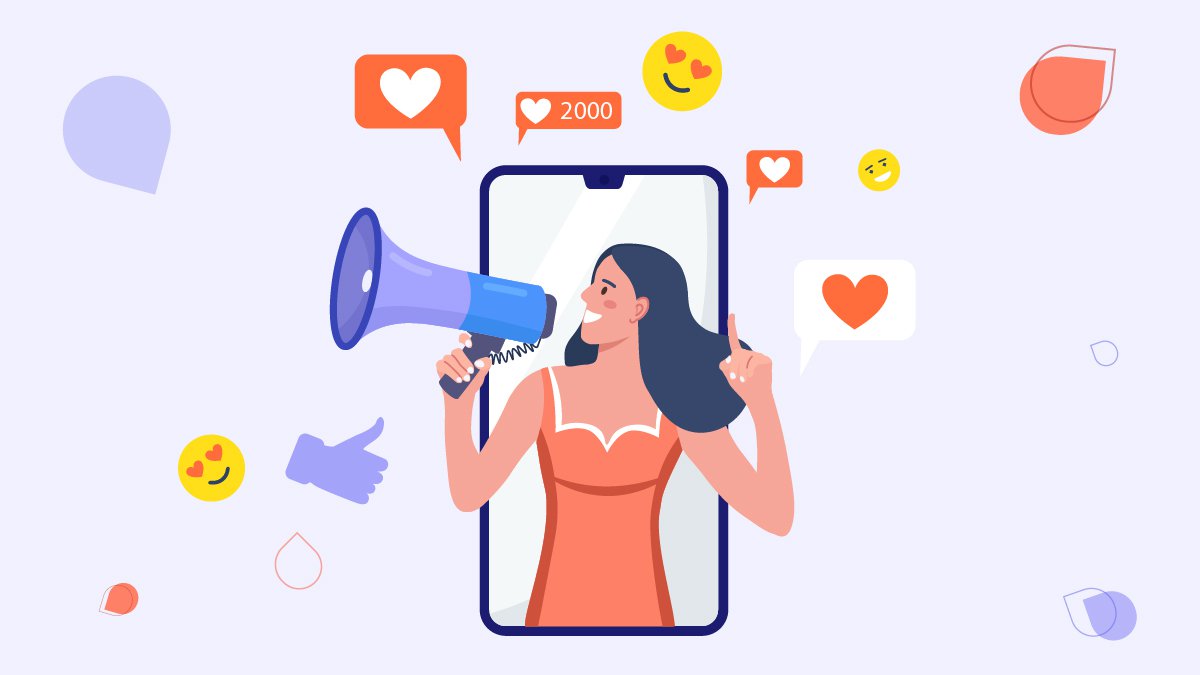
losing its effectiveness. Consumers are increasingly skeptical of brand-led messaging and are turning to trusted voices for authentic recommendations. This shift has given rise to a powerful new form of marketing known as Influencer Marketing. At its core, this strategy involves a brand collaborating with an "influencer"—an individual who has built a dedicated following and a high degree of credibility within a specific niche—to promote its products or services. Unlike a celebrity endorsement, which relies on fame, influencer marketing relies on trust and authenticity. By leveraging the genuine connection that influencers have with their audience, brands can bypass the ad-blockers and banner blindness of traditional digital advertising and deliver their message in a more organic, relatable, and persuasive way, making it one of the most effective and fastest-growing marketing strategies today.
The world of influencers is a diverse spectrum, categorized primarily by the size of their audience. At the top are the "mega-influencers" and celebrities, who have millions of followers and can provide massive reach, though often at a very high cost. In the middle are the "macro-influencers," who typically have audiences ranging from 100,000 to a million followers and are often established experts in their field, such as a well-known tech reviewer or fashion blogger. The largest and often most effective group, however, is the long tail of "micro-influencers" and "nano-influencers." These are everyday people with smaller, highly engaged followings (often from 1,000 to 100,000) who are deeply passionate and knowledgeable about a specific niche, such as vegan cooking, sustainable travel, or a particular video game. Their recommendations often carry the most weight because they feel like an authentic suggestion from a trusted friend rather than a paid advertisement, leading to higher engagement and conversion rates.
The effectiveness of influencer marketing stems from fundamental principles of human psychology and social proof. When a person we trust and admire recommends a product, we are far more likely to consider it than if we see a traditional ad from the brand itself. Influencers have spent years building a relationship with their audience based on shared interests, authenticity, and consistent content creation. This creates a powerful bond of trust. When an influencer promotes a product, they are essentially lending their credibility to the brand. The Influencer Marketing Market Is Projected To Reach a Valuation of USD 1201.62 Billion By 2035, Reaching at a CAGR of 29.22% During 2025 - 2035. This incredible market growth is a direct result of brands recognizing that this form of trusted, peer-to-peer recommendation is far more effective at cutting through the clutter and driving real purchasing decisions than almost any other form of marketing in the modern digital era.
The process of executing an influencer marketing campaign involves several key steps. It begins with a clear strategy, defining the campaign goals (e.g., brand awareness, lead generation, sales) and identifying the target audience. The next, and most critical, step is influencer discovery—finding the right influencers whose audience and values align perfectly with the brand. This is followed by outreach and negotiation, where the terms of the collaboration (e.g., content deliverables, compensation, usage rights) are agreed upon. The influencer then creates and posts the content, which could be anything from an Instagram story or a YouTube review video to a TikTok dance challenge. Finally, the campaign's performance is measured and analyzed using key metrics like reach, engagement rate, website clicks, and, ultimately, sales, to determine the return on investment (ROI) and inform future campaigns. This structured approach is turning what was once an ad-hoc tactic into a sophisticated and measurable marketing discipline.
Explore Our Latest Trending Reports:

 Arabic
 French
 Spanish
 Portuguese
 Deutsch
 Turkish
 Dutch
Dutch
 Italiano
 Russian
 Romaian
 Portuguese (Brazil)
 Greek
Greek